
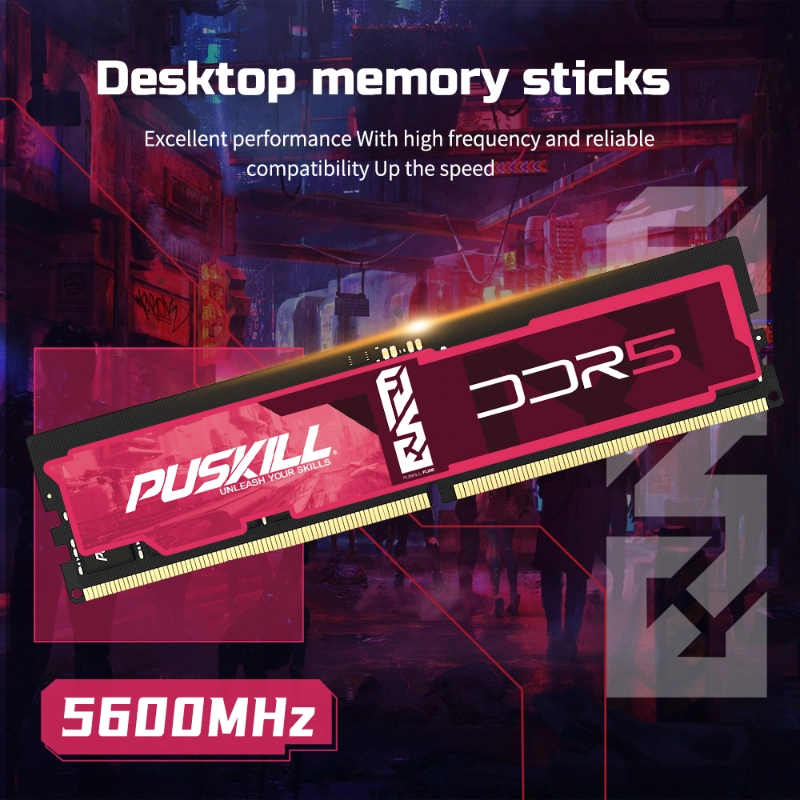
Choosing the right computer memory DDR5 involves capacity, transfer rate, compatibility, and stability. Modern desktop RAM supports gaming, content creation, and demanding multitasking. However, each computer requires a configuration suited to its workload. Puskill offers DDR5 memory with capacities from 8 GB to 32 GB. Moreover, several speed, timing, and customization options support different system designs. Therefore, buyers can select memory that matches their performance goals and budgets.
How Much DDR5 Memory Does Your Computer Need?
Memory capacity affects how many applications a computer can handle simultaneously. For example, everyday office tasks often require less memory than intensive gaming or creative workloads. Consequently, selecting an appropriate capacity helps balance performance and purchasing costs.
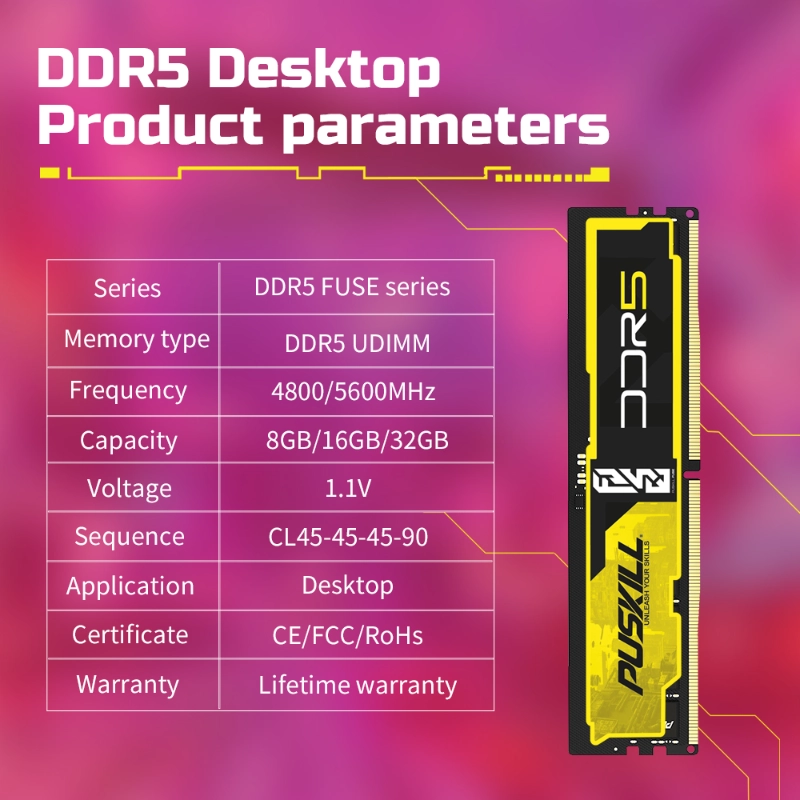
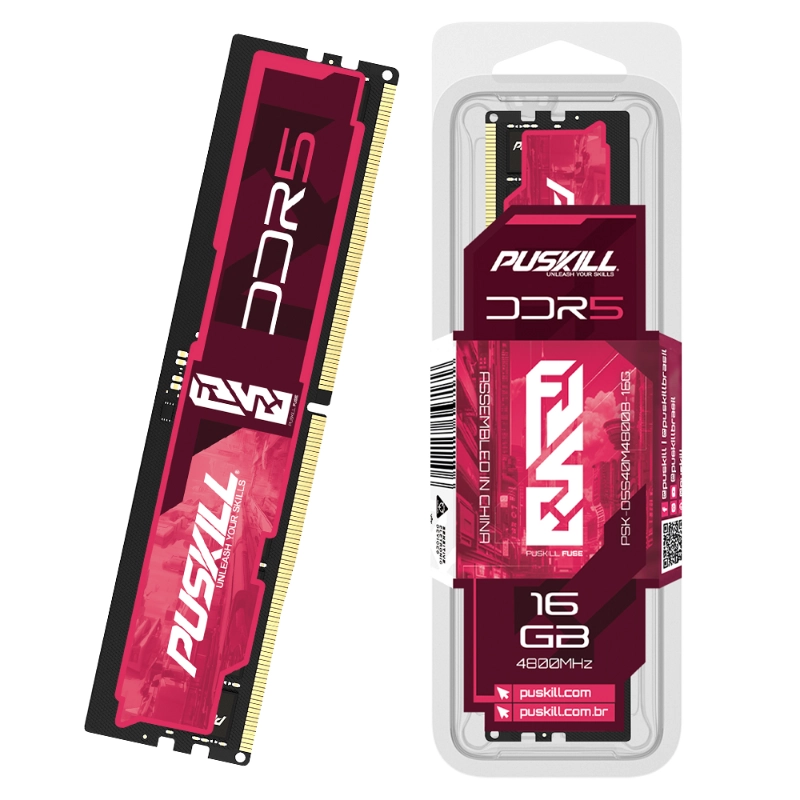
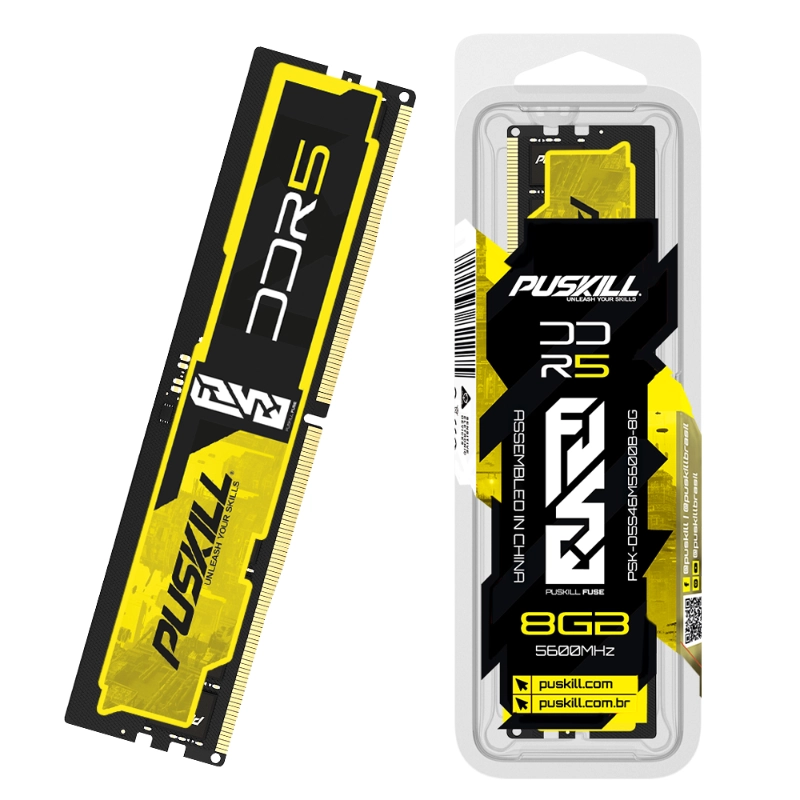
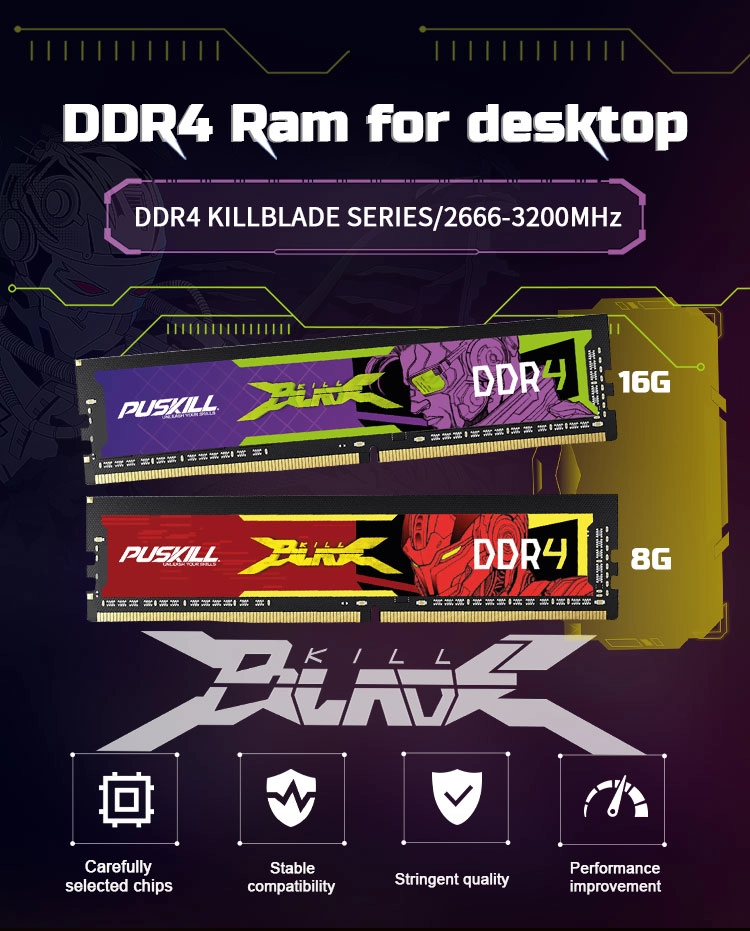
Puskill offers 8 GB, 16 GB, and 32 GB configurations. An 8 GB module may suit basic desktop tasks. Meanwhile, 16 GB provides more room for everyday multitasking. For demanding games and content creation, 32 GB offers additional working capacity.
How Can Buyers Match Capacity to Workloads?
Start with the software and applications users run regularly. Then, consider future upgrades and the motherboard’s memory capacity. Additionally, check the number of available memory slots.
For demanding systems, matching modules can help simplify configuration. However, maximum supported capacity depends on the processor and motherboard. Therefore, verify the complete platform specifications before ordering.
Does DDR5 Speed Improve Gaming and Productivity?
Memory transfer rates influence how quickly data moves between RAM and compatible processors. Therefore, speed deserves attention when building gaming computers or performance-focused desktops.
Puskill offers DDR5 speed options of 4800, 5200, 5600, and 6000 MT/s. Here, MT/s means million transfers per second. This unit describes DDR memory data rates more accurately than the commonly advertised MHz label.
How Should Buyers Evaluate Speed and Timing?
Higher transfer rates can increase available memory bandwidth. However, actual performance also depends on processor architecture, application demands, and system configuration.
Puskill lists CL38 and CL48 timing options. CAS latency describes the delay between a memory read command and data availability. Lower timing values can reduce this particular delay at comparable operating conditions.
Consequently, buyers should evaluate transfer rate and timings together. Also, confirm whether the motherboard requires BIOS settings to reach the selected memory speed.
Why Do Voltage and Platform Compatibility Matter?
A compatible memory module helps a computer operate within its designed electrical limits. Therefore, buyers should verify specifications before purchasing DDR5 RAM for a new system.
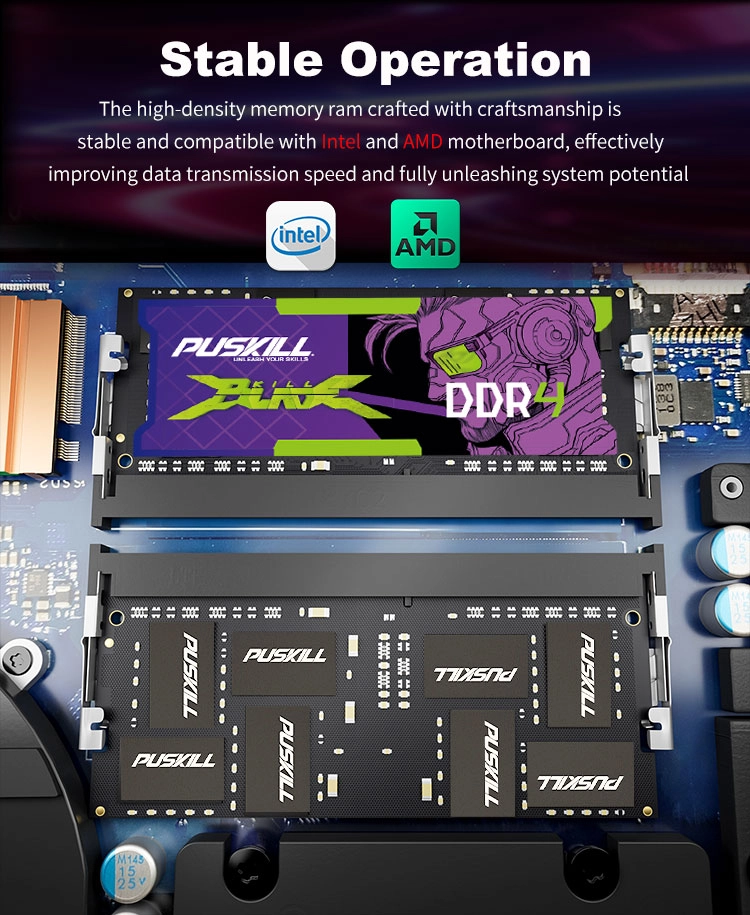
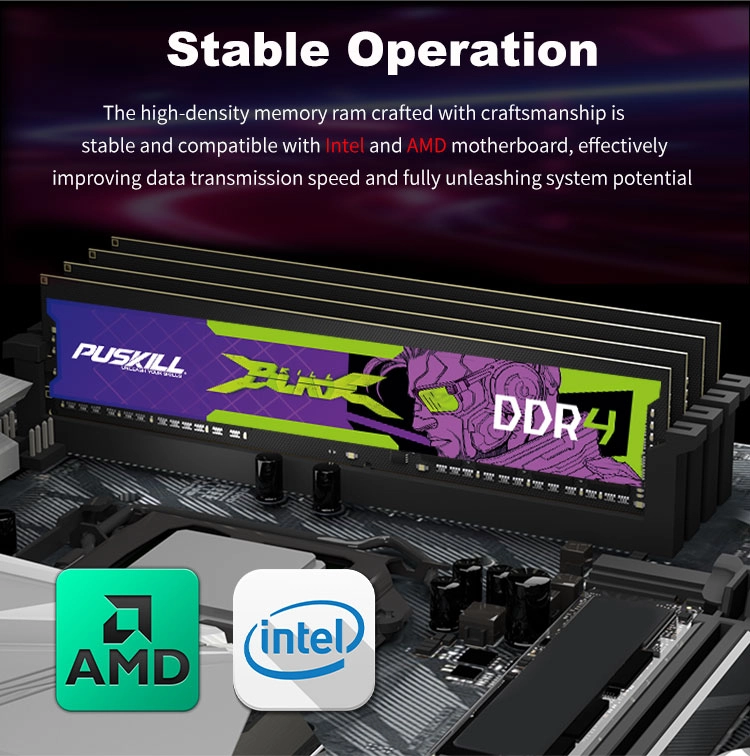
Puskill lists operating voltage options of 1.1 V and 1.4 V. The appropriate setting depends on the selected configuration and performance profile. Meanwhile, the product supports Intel and AMD platforms.
How Can Buyers Confirm Compatibility?
Check the motherboard’s memory generation, supported speeds, and module type. The listed product uses a 288-pin desktop DIMM format. Therefore, buyers should distinguish it from laptop SO-DIMM memory.
For higher-speed configurations, verify motherboard support and CPU memory-controller limits. Additionally, confirm any required Intel XMP 3.0 or AMD EXPO profile support. These profiles depend on the specific memory module and platform.
Explore Puskill’s Memory Products to review available memory configurations and product options.
Which Technical Details Matter Beyond Speed?
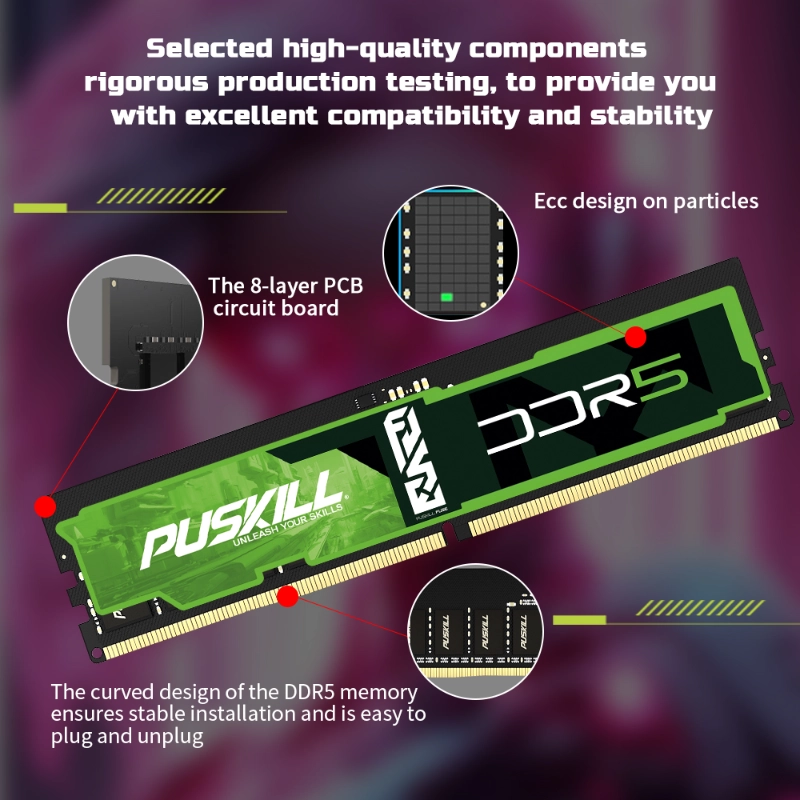
Reliable memory selection involves more than capacity and data rate. Chip sourcing, PCB design, packaging, and warranty support also influence purchasing decisions.
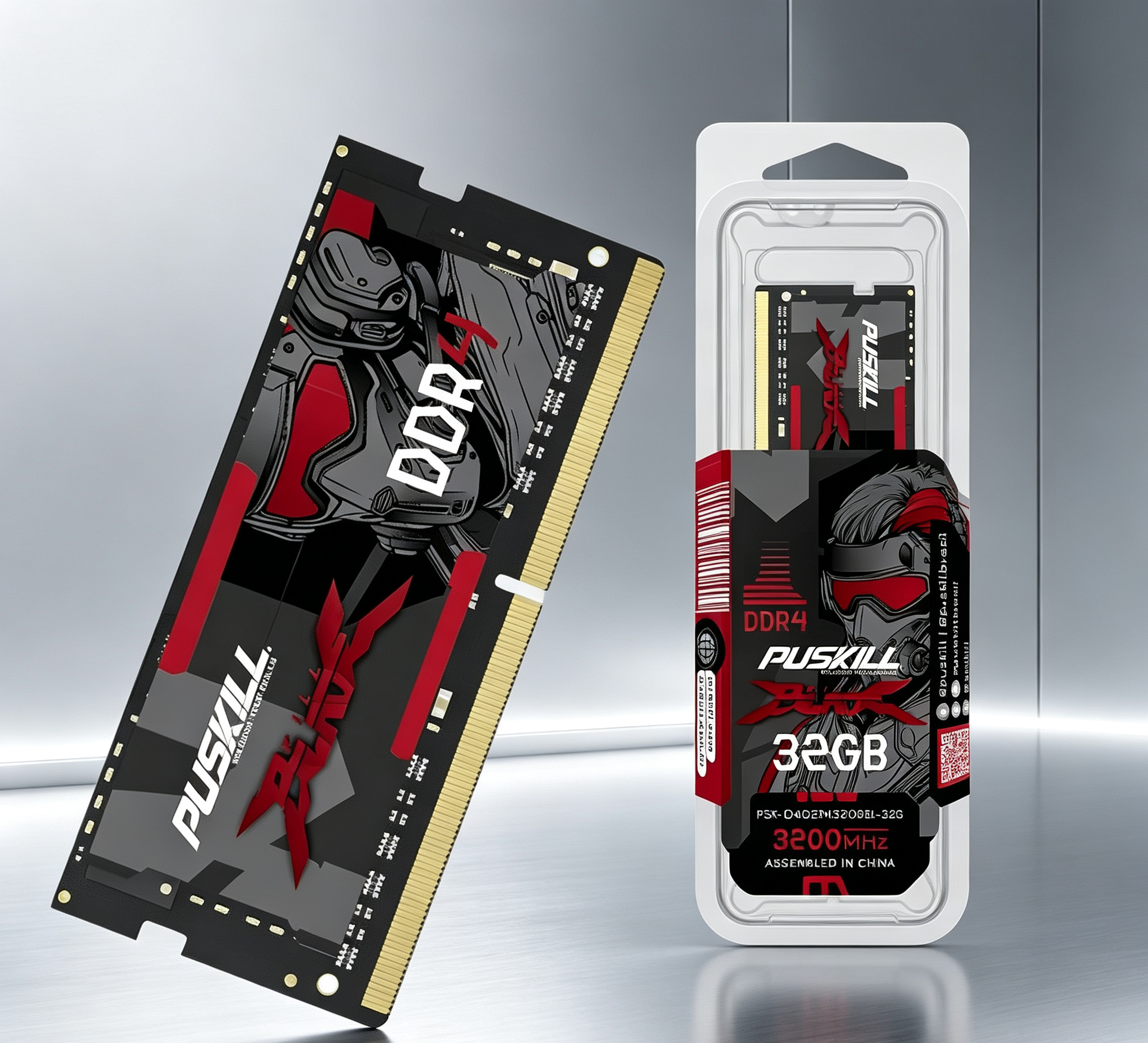
Puskill lists Hynix, Micron, Samsung, and Puskill among its chip options. The available configurations include eight or sixteen memory ICs. PCB colors include green and black, while packaging options include bulk and retail formats.
These choices help distributors adapt products to different markets. Moreover, OEM and ODM services support customized memory solutions for business customers.
| Parameter | Puskill Specification | Buyer Consideration |
|---|---|---|
| Memory generation | DDR5 | Confirm motherboard support |
| Capacity | 8 GB, 16 GB, 32 GB | Match workload requirements |
| Data rate | 4800–6000 MT/s | Verify platform limits |
| CAS latency | CL38 / CL48 | Compare complete module specifications |
| Voltage | 1.1 V / 1.4 V | Confirm the selected profile |
| Module format | 288-pin DIMM | Intended for compatible desktop systems |
| Chip options | Hynix, Micron, Samsung, Puskill | Confirm the actual production configuration |
| IC configuration | Eight or sixteen ICs | Verify the specific module design |
| Certifications | FCC, CE, RoHS | Request applicable documentation |
| OEM/ODM | Supported | Discuss branding and customization |
| Warranty | Listed as lifetime | Confirm terms and coverage |
How Can Puskill Support Wholesale and OEM Memory Buyers?
For distributors, consistency and supply coordination matter alongside technical performance. Puskill supports OEM and ODM services for different business requirements. Additionally, bulk and retail packaging options accommodate varied distribution channels.
Buyers can discuss memory capacity, transfer rates, PCB colors, and branding requirements. Meanwhile, clear product specifications help align orders with target computer platforms.
The listed certifications include FCC, CE, and RoHS. Therefore, request relevant documentation for the selected product and destination market. Puskill also lists a lifetime warranty, subject to its applicable terms.
Read Our Computer Memory Technical Guide for further guidance on memory selection and system compatibility.
Q&A
Q: What should buyers prioritize when choosing computer memory DDR5?
Start with capacity, transfer rate, timings, voltage, and motherboard compatibility. Then, evaluate warranty terms and supplier support.
Q: Is DDR5-6000 suitable for every desktop computer?
No. The motherboard, processor, and BIOS determine supported operating conditions. Verify platform compatibility before choosing a 6000 MT/s module.
Q: Which capacities does Puskill offer?
Puskill lists 8 GB, 16 GB, and 32 GB options. Select capacity according to workload and upgrade requirements.
Q: Can Puskill provide customized DDR5 memory?
Yes. Puskill supports OEM and ODM services. Buyers can discuss specifications, PCB colors, and packaging options.
Q: What should wholesale buyers confirm before ordering?
Confirm the exact module configuration, supported speed, voltage, certifications, and warranty terms. Additionally, clarify branding requirements and packaging specifications.

Add comment